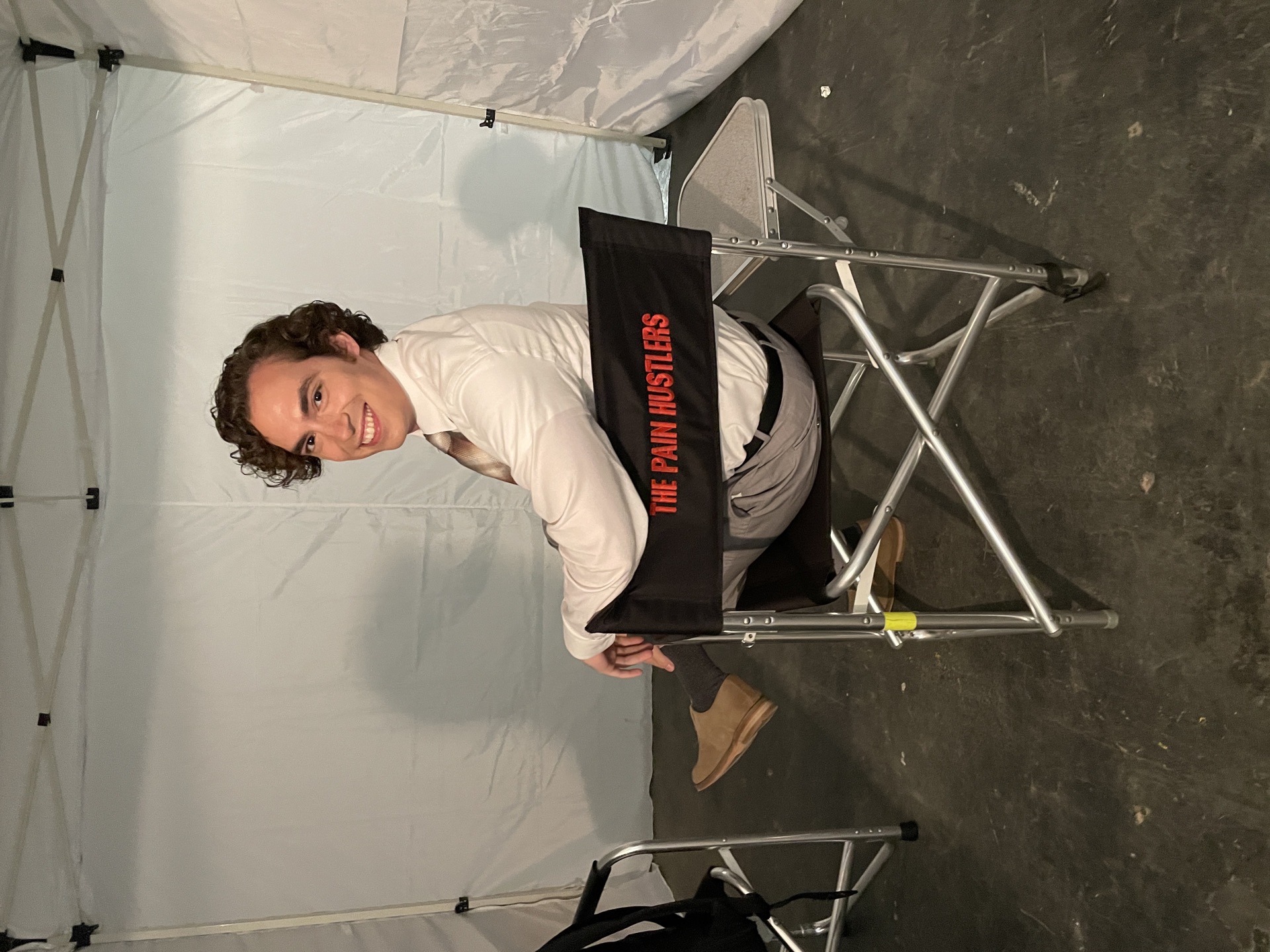
Can You Make a Living as an Actor? The Brutal Truth
It finally happened:
The Netflix paycheck hit my account, and I exhaled for the first time in years. Just sitting there, staring at the number, thinking, okay — I can breathe now. Finally.
Then the SAG-AFTRA strike hit. The whole industry stopped. And the math broke all over again.
People way more talented than me are still chasing the next booking, convinced it'll be the answer to steady income. It won't be. Nobody walked them through the math. Nobody walked me through it either.
So when actors ask me "can you make a living as an actor?" I treat it like a diagnostic, not a pep talk. Symptom by symptom — what's normal, what's not. Then the fix.
Yes — you can make a living as an actor. I do. But the honest answer has a second half. Acting income is one of the spikiest income shapes there is. A booking is a spike on a graph with long flat lines on either side of it — and you don't control how long those lines stay flat. Residuals trickle in later, but they're not a salary and they don't arrive on a schedule. Even a Netflix booking doesn't fix that shape. It changes the rooms you can get into. It doesn't change the math underneath. The full-time actors I've watched sustain this career almost all have a second structure underneath the acting — something they own that keeps earning between bookings. That's not a backup plan. That's the strategy.
Who This Applies To
This one's for actors who are starting to book real work — a co-star here, a commercial there — and quietly wondering why it still doesn't feel stable. It applies if your current gap is running longer than you budgeted. And it applies hard if you're 22 and assuming the last few years of shutdowns were a one-time event. (I love you, but they weren't.)
Haven't booked yet? Stay anyway. Diagnostics work best before the symptoms cost you anything.
First, the part that surprised me: almost everything that feels broken about this career is normal.
What Is Normal When You Make a Living as an Actor
The gaps are normal. You book a seven-week project — great. Then it's four months until the next one. Maybe seven. Maybe twelve. Then you're stretching one paycheck across a flat line nobody can predict. There's no built-in runway in this career. You build the runway, or there isn't one.
The lack of control is normal too. You don't control whether the project ships, whether the show gets renewed, or whether the streamer pulls it from the platform six months in. You don't even control whether the whole industry pauses because a labor negotiation you're not part of breaks down. That's not a complaint. That's the job description — the biggest names in the business live under the same one. You get the call. You don't make the call.
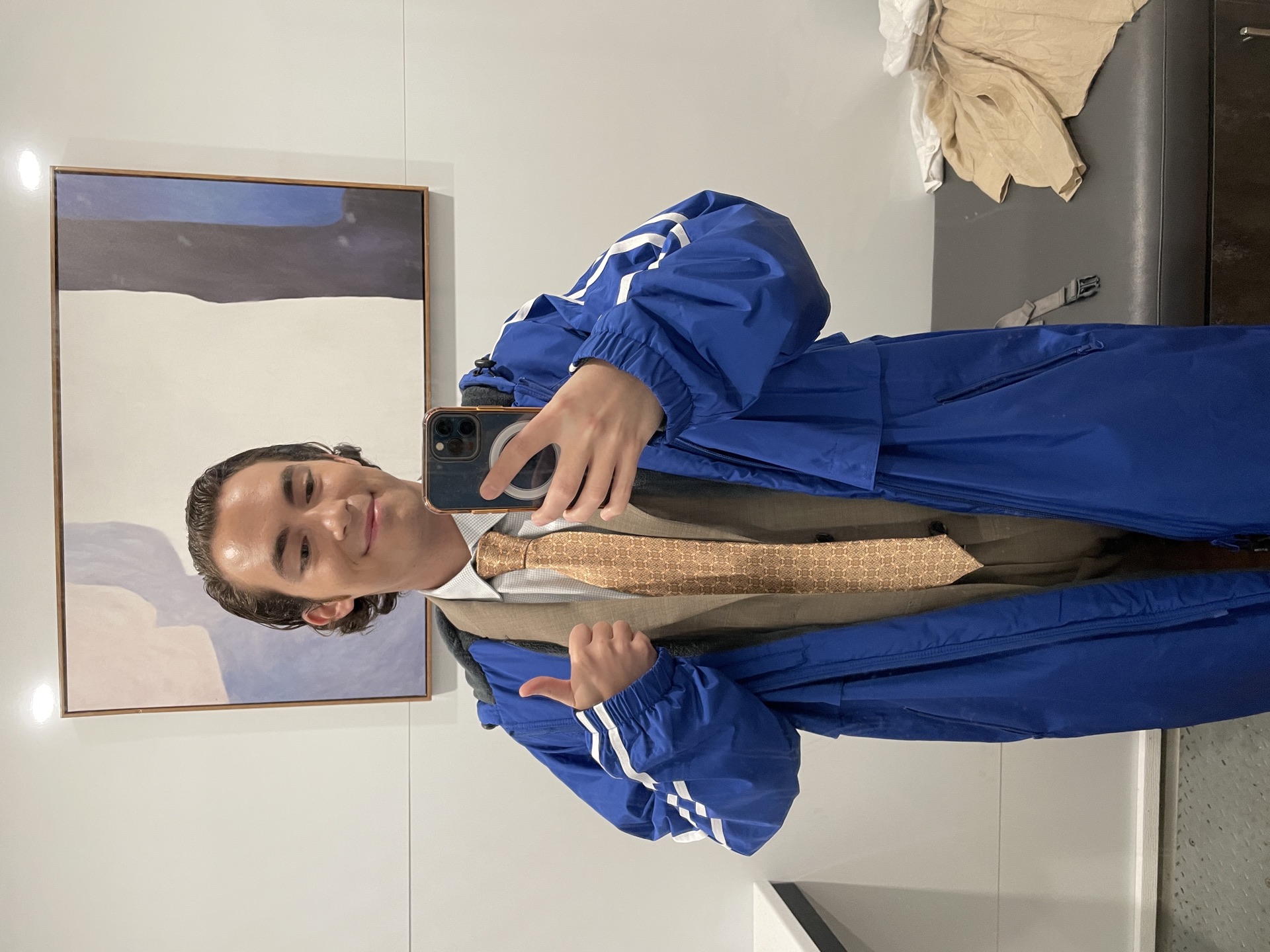
Honestly, that part can be beautiful — WHEN you accept it. You show up and offer a take, and the work gets to be the work.
So if all of that is normal… what's the part that should scare you?
What Is Not Normal
Treating the booking as the financial answer. That's the part that breaks people.
My industry has fully stopped twice in three years. COVID hit in 2020 and I graduated straight into it. I lost a lined-up casting office internship and got sent home from RADA in London mid-program — the whole "normal" launch sequence, gone. Then I worked my way to a peak: seven weeks on a Netflix set with David Yates, Emily Blunt, and Chris Evans. (That booking story is here.)
Then 2023. The strike. Everything stopped again — this time at the peak of my momentum.
Twice in three years. The actors treating acting income as the only line on the spreadsheet got hit hardest both times. The ones with a second structure made it through. Hard either way… survivable either way. The difference wasn't talent. It was structure.
So here are the four questions I'd actually run.
The Questions I'd Ask Myself
Run these honestly.
- If my next booking took twelve months to arrive, what breaks first — my bank account or my love of acting?
- Am I saying yes to auditions because the project is right for me, or because rent is due? (I knew my answer once. I hated it.)
- If the industry paused tomorrow — another strike, anything — does money still come in?
- Does my survival job give me anything back when I stop showing up, or does it only pay for the hours I hand over?
No score sheet — you felt your answers. The next section is the belief that put you there.
The Mistake Most Actors Make Here
The mistake isn't financial. It's a belief.
Actors get told, in words or in silence, that a second income source means you're not really committed. That a "real" actor lives or dies by the next booking.
That's the most damaging advice handed out in this industry, and I'm here to formally disagree with it. I think more actors quit over that misunderstanding than anything else.
To be clear — survival jobs, commercial work, regional theatre, stand-in days: all of it is honest, legitimate work. The belief that needing it makes you a failure — that's the poison.
Because here's what happened when I stopped believing it.
What I'd Do Next
First — build the second income source. On purpose. Proudly.
When my second income developed during the strike, the strangest thing happened: my acting got better. Not because I worked on it more — because I worked on it from a different mental state. I stopped saying yes to auditions I didn't actually want just because rent was due. I stopped taking redirects — the adjustment notes you get mid-audition — as criticism, and started taking them as the room being handed to me. Same talent. Different frequency.
Second — make it something you own.
Not a side gig at someone else's company. Not fifteen dollars an hour traded for the only things you can't get back — your time and your energy. The criteria: you own it. The work compounds. And when you step away — for a seven-week shoot or a six-month strike — it gives you back income, time, and mental space instead of going quiet.
I got my first taste of that income shape by accident, during COVID. I took work standing in on the Ellen Show — covering an actor's spot while the crew sets lighting and cameras. That led to a segment, the segment made me SAG-eligible, and months later residual checks showed up while I wasn't on anyone's clock. I wanted more of that on purpose.

The thing I "built" is The Working Actor's Blueprint. It became the second structure underneath my acting career. Yours doesn't have to be a coaching practice. It just has to pass the criteria. The category is your call.
When to Get Help
I know what some of you are thinking — "Neil, you built yours after booking Netflix. Easy for you." Fair. Except it got built during the strike — months of unpaid work, nothing moving, no guarantee anyone would ever buy it. The decision mattered more than the timing.
If the four questions stung, start smaller than "launch a business this weekend." Start by finding out where your acting career itself is leaking time and money.
Common Questions Actors Ask
Final Takeaway
The exhale I let out when that paycheck hit — I thought it meant I'd arrived. Really it meant I'd been holding my breath for years, and one deposit bought a few months of air.
The strike taught me the rest. A booking was never going to hand me stability — I had to build it underneath the career. And once I did, the acting itself got better. (Strangest part of the whole story. Honestly.)
You have two choices. Keep treating the next booking as the financial answer, and deal with the flat line whenever it shows up. Or start building the second structure now, while nobody's watching, so the next industry pause lands like a season instead of a crisis.
That way, the exhale doesn't have to wait on a paycheck.