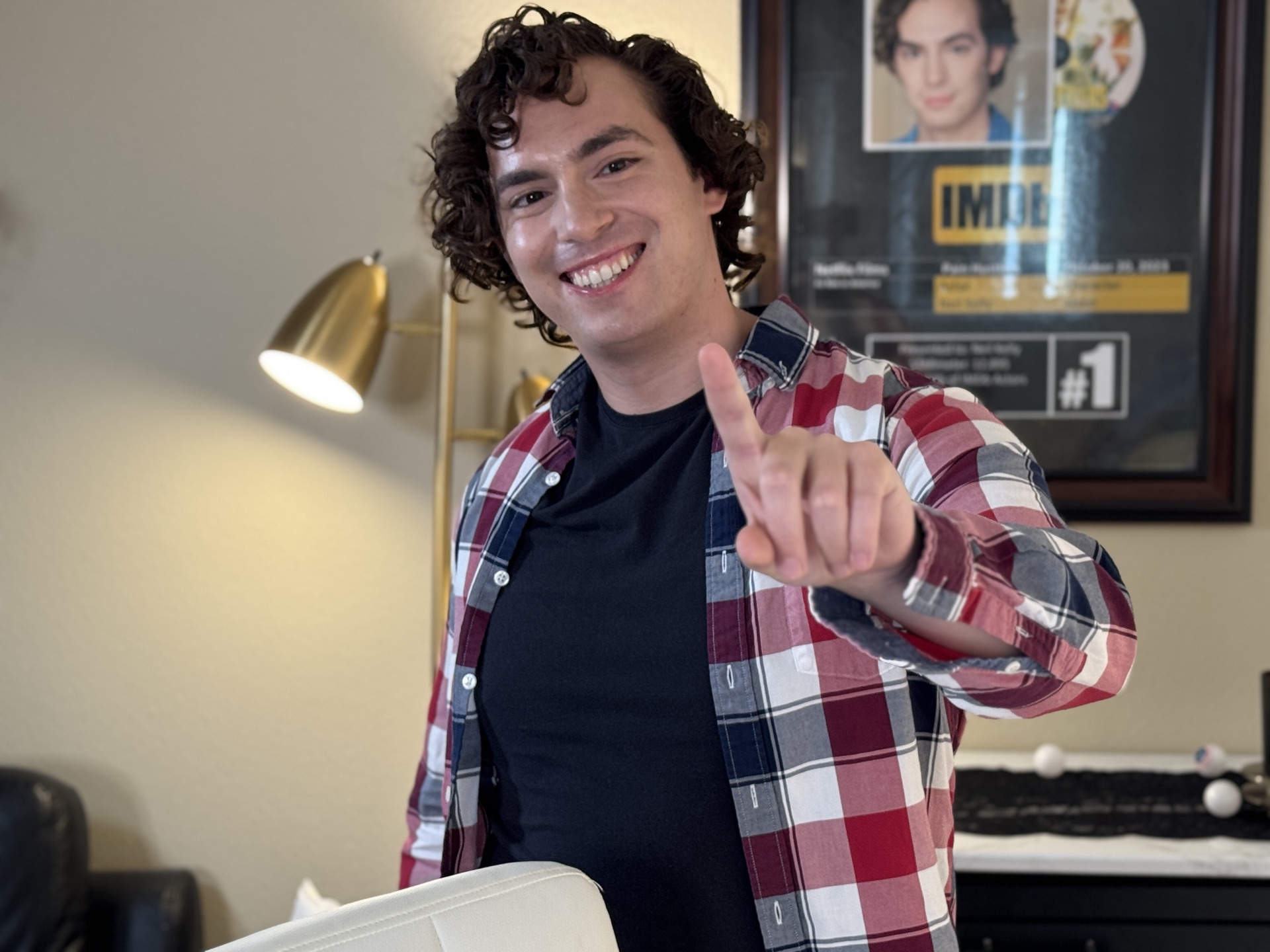
Nothing about it looked special:
One more email forwarded from my reps. A one-page spec from a casting office describing a role they wanted to fill — that's called a breakdown — with the word "Netflix" sitting in the middle of it like it was no big deal. I remember staring at my phone thinking, this is supposed to feel like a lightning strike. Why does it feel like a Tuesday?
It felt like a Tuesday because of everything that had already been running for months before that email arrived.
Here's the confession part. I went to school with actors way more gifted than me — Boston University, RADA, people who could do things in a scene I still can't do. Most of them were not receiving Netflix-level breakdowns. I was. And the reason had nothing to do with the audition itself.
Maybe you've been trying to fix this the usual way. Another class. New headshots. Refreshing Actors Access like it owes you money. None of that is wrong. It's just downstream. Your first Netflix audition gets decided upstream, before any tape exists — and nobody walks you through the upstream part. (That's not your fault. It's also exactly what this post is for.)
So let's reverse engineer it. Five stages, in the order they have to happen.
Here's how to get a Netflix audition, honestly: you don't win it at the audition level. You win it at the submission level — the stage where your rep pitches you to a casting office with the materials and proof you already have, before any audition exists. Netflix-level breakdowns don't surface on the public boards most actors refresh. They move through rep channels. So the system has five stages: (1) a rep legitimate enough to receive streaming-level material, (2) tone research on the casting offices and projects you actually fit — done before the breakdown exists, (3) a self-tape setup that clears the industry-standard floor on light, sound, frame, and eyeline, (4) specific, unmuddied acting choices that all serve the same story, and (5) the call. My first Netflix audition arrived this way, after months of the system quietly running — and it ended up being Pain Hustlers. The audition was the output, not the event.
Who This Applies To
This is for early-career actors — repped or unrepped — who keep watching streaming shows cast people at their exact level and can't figure out where those auditions come from. If you're submitting on the public boards, taking class, doing everything "right," and the Netflix-level stuff never seems to reach you… you're who I wrote this for.
One thing before we start. I already told the story of how the booking itself happened — the Atlanta-market angle, the drive, all of it — in How I Got Cast in a Netflix Movie From the Atlanta Market. This post is everything upstream of that story. And fair warning: my honest take on it is not the fun version.
My Honest Take
The audition is not the event. It's the output.
That's the whole post in one sentence. When my first Netflix audition arrived, the work that mattered was already done — done across months where nothing looked like progress. No bookings to post about. No "big news soon" energy. Just a quiet stack of unsexy infrastructure.
And listen — I get why nobody wants to hear that. "Be so good they can't ignore you" is a much better story. But actors I see in the same audition rooms as me — many with more raw ability than I'll ever have — stay stuck for years because all their effort goes into the audition, and none of it goes into the stages that produce the audition.
So what do those stages actually produce? An invitation. And invitations follow a pattern.
The Industry Pattern Behind the Problem
Here's a thing nobody teaches you in acting school. Getting seen for a streaming role is two separate processes, and they run on different rules.
The first is the submission. That's you and your rep pitching with the materials and proof points you already have — resume, reel, headshot — so that you CAN audition. The second is the audition itself: the tape or the room, after the invite. If you get invited, your work will be watched. The question the first process decides is whether you ever get invited at all.
Most actors pour everything into process two and assume process one takes care of itself. It doesn't. From what I've seen — and from how my own first Netflix audition arrived — a streaming-level invitation almost always traces back to one of four things: a previous booking at a comparable level, reel footage showing the actual kind of work the role needs, a relationship with that office built through consistent quality auditions, or a rep whose track record makes your name mean something before anyone clicks the file.
Notice what's not on that list: waiting. Which happens to be the most popular strategy in the industry.
Why Actors Get Pulled Into This
Because everything in actor training is calibrated to the audition, not the pipeline that produces it.
Class teaches you the scene. Coaches teach you the room. Nobody hands you a syllabus for "how a casting office ends up trusting your name before you've ever booked." So actors do the only thing they've been shown how to do: get better at auditioning, and wait.
Waiting even feels professional. It looks like patience. It costs nothing today. I almost settled into it myself — send the materials out, tell yourself the right breakdown will find you, call that a career plan. (It's a lottery ticket with an acting degree stapled to it.)
The actors getting streaming-level auditions were not waiting. They were upstream, building. Here's what that actually looks like — five stages, in order.
What I Built Instead
Stage One — The Submission Stack.
Most actors think their first Netflix audition will come through Actors Access. It won't. The breakdowns with Netflix attached move through a much smaller, much quieter stack — and your rep is the door into it.
Which changes the question. It's not "do I have a rep." It's "is my rep legitimate enough to be receiving Netflix-level material at all." If your rep is an agency, the cleanest filter is whether it's SAG-franchised — meaning the union has vetted the agency and it operates under union standards. You're allowed to ask your agent this directly. With managers it's murkier — there's no franchised equivalent, so the diligence is on you. Murky doesn't mean bad. It just means homework.
(And if breakdowns aren't reaching you at all, that's a submission-stage problem — I wrote a whole separate post on why actors don't get Netflix auditions that lives right at this moment.)
Stage Two — Tone Analysis Before the Breakdown.
By the time a Netflix breakdown lands, the audition is already half over. If that's when you start learning who the casting office is and what tone the project casts in, you're starting from zero against actors who started months ago.
So working actors run something called tone analysis — building a file on every casting office + project they want to be in front of, before any breakdown exists. What does that office mean when a breakdown says "grounded"? When they say "playful," do they mean charming or unhinged? Same word, two completely different audition interpretations. Look at their last three projects. Look at who they cast at your role size. You gotta get familiar with the recruiters to get recruited.
Stage Three — The Infrastructure Tape.
Filming your audition at home and sending it in — that's a self-tape — is where most actors get eliminated before their acting is ever evaluated.
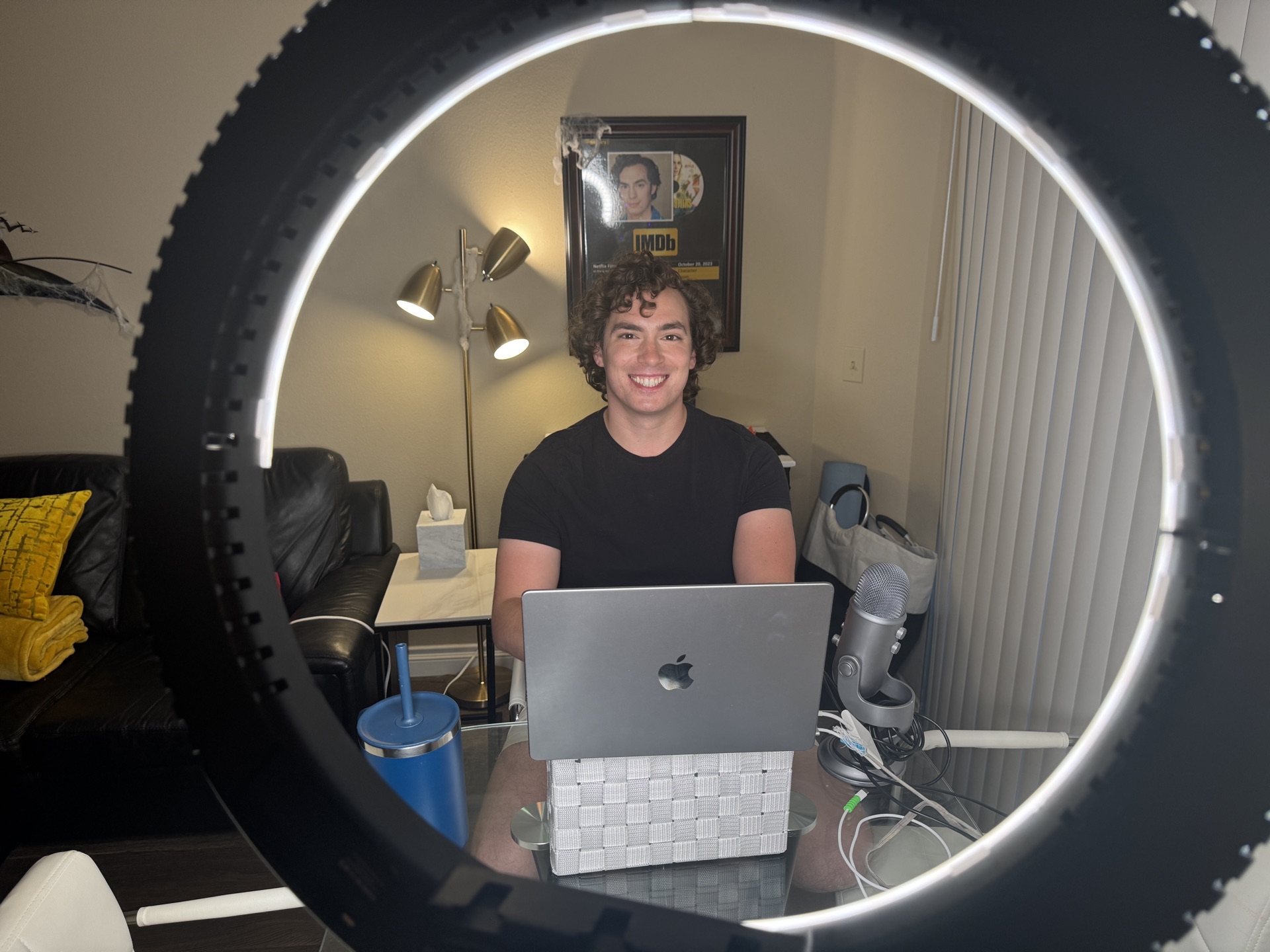
When a streaming-level breakdown drops, you usually have about 48 hours to turn a tape around, and hundreds of tapes of the same scene land in one inbox. From the actor's side of that math, your tape has about 5 seconds to clear the floor: light, sound, frame, eyeline. Your eyeline should sit (generally) two inches off the lens, slightly to the side — eyes visible, never profile. And your slate — saying your name at the top of the tape — is housekeeping, not a performance. Slate clean, slate fast, save the energy for the scene.
None of this is the most important part of acting. It's just your floor. Inside The Working Actor's Blueprint we work on this as the Home Studio Protocol, because if the floor isn't solid, the work above it never gets seen.
Stage Four — The Specificity Move.
Once your tape is technically clean, "good" stops being the differentiator. Everyone in that submission pool can do a clean read. The tape that gets remembered is the one with specific, unmuddied choices that all serve the same story.
Specificity is wealth. Generality is invisibility.
Three layers. A real, particular image behind the moments that most need to land — not "general sadness," an actual memory. Physical choices that track with what you're playing instead of competing with it. And a specific take on the relationship under the scene — you're not delivering a monologue, you're saying something to a specific person that you've never said out loud before.
This is where big swings die. Big emotion, big tears, four choices fighting each other in the same beat… Clean and specific wins. Every time.
Stage Five — The Call.
This is the stage that doesn't feel like a stage. The breakdown lands. You recognize the office because of Stage Two. The studio is already prepped because of Stage Three. You shoot three takes, send one, and forget about it. (Or you tell yourself you're forgetting about it.)
Then your rep calls.
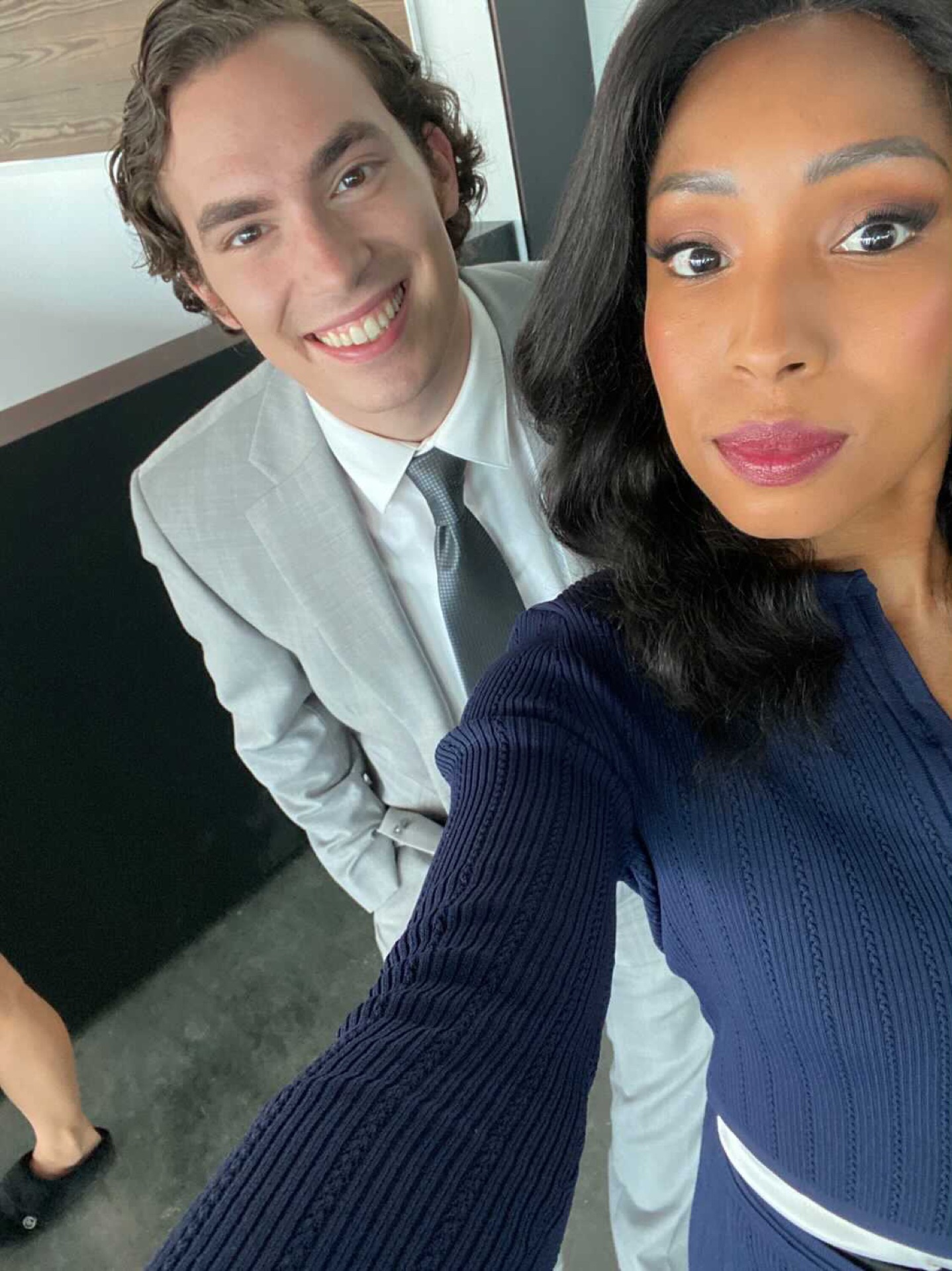
Mine ended up being for Pain Hustlers — directed by David Yates, with Emily Blunt and Chris Evans, on Netflix. Seven weeks on set. And here's what I actually carry from it: the call didn't feel like luck. Luck is opportunity meeting preparedness, and both halves had already been handled. The audition wasn't the magic moment. It was the natural output of a system that had been running quietly for months.
So which stage is yours? There's a quick way to tell.
The Practical Decision Rule
When you're deciding where to put your energy, ask one question: is my problem at the submission stage or the audition stage?
If invitations aren't coming at all — that's submission-stage. The fix lives in Stages One and Two: rep legitimacy, materials, proof, the tone file. More self-tape practice won't touch it.
If you're auditioning but nothing converts — that's audition-stage. The fix lives in Stages Three and Four: the technical floor and the specificity of your choices.
Different problems, different fixes. Most actors guess wrong about which one they have, then spend a year fixing the wrong stage. Diagnose first — then start with the three moves below. They take a week, not a year.
What to Do This Week
- Ask your agent one question: "Is the agency SAG-franchised?" You're allowed to ask. If you're unrepped, make it the first qualifying question on your rep research list instead.
- Start your tone file. Pick three casting offices that cast shows you genuinely fit. Pull their last three projects and look at who they cast at your role size. One page of notes per office.
- Run the 5-second test on your last self-tape. Light, sound, frame, eyeline — about two inches off the lens. If any of the four fails, fix the floor before the next breakdown drops. Not after.
Common Questions Actors Ask
Final Takeaway
That email never did start feeling like a lightning strike.
And I've stopped wanting it to. The lightning-strike version of this story makes a better movie, but it makes a terrible career plan — because you can't build toward a lightning strike. You can absolutely build toward a Tuesday.
You have two choices here. You can keep doing what most actors do — get better at auditioning and wait for the right breakdown to find you… Or you can put the five stages in place now, while nobody's watching, and let them run until the system produces the thing everyone else is waiting for.
If you build it right, here's how you'll know it's working: the biggest email of your career will land in your inbox, and it'll feel like a Tuesday.